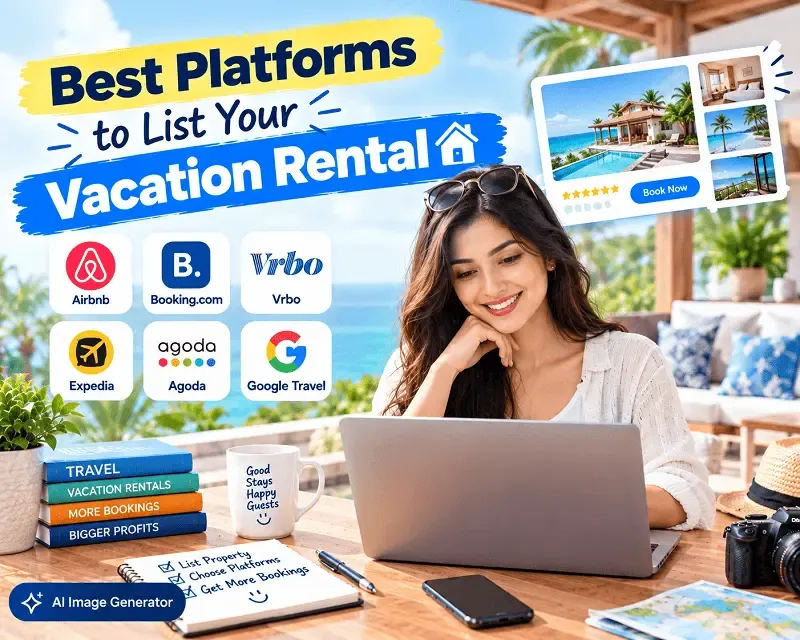
Owning a vacation rental property can be a great way to earn income, but getting regular bookings requires more than simply having a beautiful home. Travelers need to find your property, understand what it offers, check availability, and feel comfortable making a reservation.
This is where vacation rental platforms can help. These platforms give property owners a place to showcase their homes, apartments, condos, villas, and other holiday properties to people looking for accommodation.
There are many options available today. Some platforms focus on connecting owners with travelers, while others provide booking technology, property management, guest communication, and direct booking websites. Choosing the right option depends on your property, location, target guests, budget, and how much work you want to manage yourself.
In this guide, we look at the main types of platforms available to vacation rental owners. We will also explain the features, costs, booking options, and management services you should consider before choosing where to list your property.
Why Listing Your Vacation Rental Online Matters
A vacation rental can have everything a traveler wants, but it still needs visibility to generate bookings. Listing the property online makes it easier for travelers to discover it when they are searching for accommodation in a particular destination.
Online vacation rental platforms allow owners to display photographs, property descriptions, amenities, prices, availability, house rules, and other important information. Travelers can compare properties and decide which one fits their trip.
For a new property, an established platform can provide access to an audience that may take much longer to reach through a new website. Reviews and guest ratings can also help build trust with potential visitors.
However, listing a property online does not guarantee bookings. The quality of the listing, pricing, location, photographs, reviews, availability, and competition can all affect results.
Owners should also think beyond getting the first booking. Building a strong listing and providing a good guest experience can encourage positive reviews and repeat visits.
The right platform should help you reach suitable guests while making it easier to manage reservations and property information.
Major Vacation Rental Listing Platforms
Large vacation rental marketplaces are commonly used by property owners because they already attract travelers searching for places to stay.
These platforms generally allow owners or property managers to create listings with photographs, descriptions, prices, availability, amenities, and booking rules. Travelers can search by destination and compare available properties.
One advantage of a large marketplace is the existing audience. Owners do not have to build all their website traffic from the beginning. The platform provides a place where travelers are already looking for vacation accommodation.
However, owners should understand the fees and rules before joining. Booking commissions, guest service charges, payment processing costs, and other fees can affect the amount an owner receives.
Competition can also be high. A popular destination may have hundreds or thousands of similar properties listed. Good photography, accurate information, competitive pricing, and positive guest reviews can help a property stand out.
Owners should also check the platform's cancellation policies, payment schedule, customer support, and rules for property owners.
A major marketplace can be one part of a vacation rental strategy, but owners do not necessarily have to depend on one platform alone.
Direct Booking Websites for Vacation Rentals
A direct booking website gives property owners another way to receive reservations. Instead of sending every traveler to a third-party marketplace, owners can provide a website where guests can learn about the property and make a booking directly.
A direct website allows owners to control their branding, property descriptions, photographs, policies, and guest experience. It can also help create a stronger relationship between the owner and the traveler.
Another benefit is the opportunity to encourage repeat guests to book directly in the future. A traveler who enjoyed a previous stay may return to the same website instead of searching through multiple marketplaces.
However, direct bookings require marketing. Owners need to attract visitors through search engines, social media, email marketing, paid advertising, referrals, or other channels.
The website should also provide a simple booking process. Guests should be able to understand availability, pricing, payment options, cancellation rules, and property details without confusion.
For many owners, direct bookings work best alongside marketplace listings. Marketplaces can help attract new guests, while the owner's website can help build a long-term brand and encourage repeat business.
Managed Vacation Rental Booking Platforms
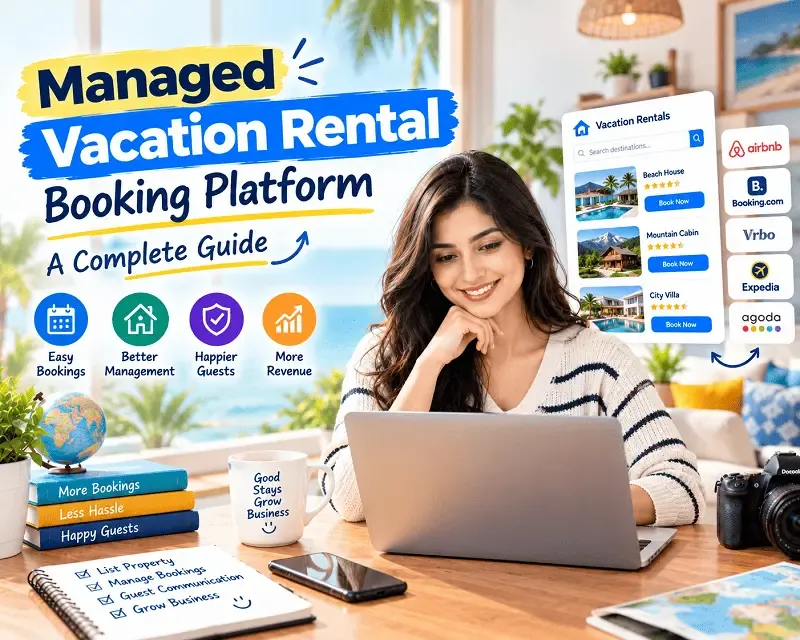
A Managed vacation rental booking platform combines booking technology with professional rental management services. This can be useful for owners who do not want to handle every part of their vacation rental themselves.
Depending on the provider, management services may include listing creation, guest communication, booking management, calendar updates, pricing assistance, cleaning coordination, maintenance, and marketing.
This type of platform can be especially helpful for owners with several properties or owners who live far away from their rentals.
Instead of checking messages, updating calendars, arranging cleaning, and responding to guest questions personally, the owner can rely on a management team for some or many of these tasks.
The services and fees can vary considerably, so owners should read the agreement carefully. Some providers may manage the complete rental operation, while others focus mainly on bookings and guest support.
Ask about management fees, cleaning charges, maintenance costs, payment schedules, cancellation policies, and owner responsibilities.
A managed platform can save time, but owners should still have access to important information about their properties. Clear reporting and communication are important when another company is managing daily rental activities.
Features to Look for in a Vacation Rental Platform
Before choosing a platform, property owners should consider the features that will make their rental business easier to manage.
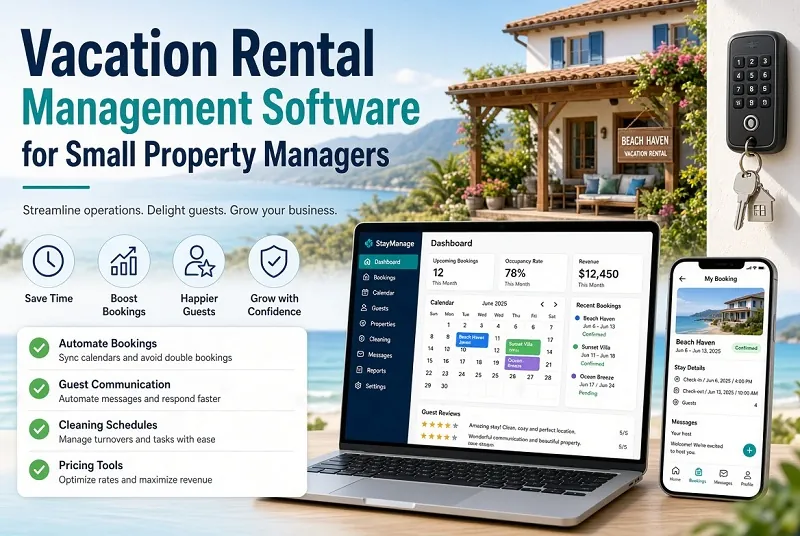
A reliable booking calendar is essential. It should show available, reserved, and blocked dates clearly. If the property is listed on multiple websites, calendar synchronization can help reduce the risk of double bookings.
Payment processing is another important feature. Owners should understand how guests pay, when the money is transferred, and whether additional payment fees apply.
Guest messaging tools can make communication easier. Some platforms allow owners or managers to prepare automatic messages for booking confirmations, check-in instructions, checkout reminders, and other common information.
Property management features can also be useful. These may include cleaning schedules, maintenance tracking, inventory management, owner statements, and booking reports.
Mobile access can be helpful when owners need to check reservations while away from their computer.
Owners should not choose a platform simply because it has a long list of features. The important question is whether the tools are easy to use and actually solve your daily problems.
A simple platform with reliable booking and communication tools may be more useful than a complicated system filled with features you never use.
Compare Fees Before Choosing a Platform
Cost is an important factor when choosing where to list your vacation rental. However, owners should look beyond the advertised price and understand the complete fee structure.
Some platforms charge a percentage of each reservation. Others may use subscription plans, monthly charges, setup fees, or different combinations of costs.
A managed rental company may charge a management percentage or fixed fee in addition to cleaning, maintenance, or other property-related expenses.
Before signing up, calculate how much you will actually receive from a typical booking after all applicable charges.
For example, a platform may appear inexpensive at first but include additional fees for payment processing, premium features, advertising, or other services.
Owners should also consider what they receive in return for the fee. A platform with a higher cost may provide booking management, guest support, marketing, reporting, or other services that reduce the owner's workload.
Read the terms carefully and ask questions about anything that is unclear.
The cheapest platform is not automatically the right option. The better approach is to compare the total cost with the audience, tools, support, and services provided.
A clear understanding of costs can help owners avoid surprises and plan their rental income more accurately.
How to Choose the Best Vacation Rental Platform for Property Owners
Finding the Best vacation rental platform for property owners depends on the owner's individual situation. There is no single platform that works perfectly for every property.
Start by considering the type of property you own. A single apartment may have different needs from a large villa or a portfolio of vacation homes.
Next, think about your target guests. Families, couples, business travelers, groups, and international tourists may search for properties in different ways.
Location is also important. Some platforms may have stronger demand in particular destinations or regions.
Consider how much work you want to handle personally. If you enjoy managing bookings and communicating with guests, a listing platform may be enough. If you want to spend less time on daily tasks, a managed service may be more suitable.
Compare booking fees, management charges, calendar tools, payment options, guest support, marketing services, and direct booking features.
Also check whether the platform allows you to maintain control over pricing, availability, property information, and guest policies.
The best choice should match your business goals and working style. Take time to compare several options before committing to a long-term agreement.
Listing on Multiple Vacation Rental Platforms
Many property owners use more than one vacation rental platform to reach a wider audience. This approach can help expose a property to travelers who use different booking websites.
For example, one guest may search on a major vacation rental marketplace, while another may find the property through a direct website or another booking channel.
However, managing multiple listings requires careful organization. Availability, pricing, photographs, descriptions, and house rules should remain accurate across all platforms.
Calendar synchronization is particularly important. If a guest books the property on one website, the dates should be blocked on other connected platforms as quickly as possible.
Without proper synchronization, owners can face double bookings and unnecessary guest problems.
Owners should also avoid creating completely different information for the same property on different websites. Consistent photographs, descriptions, amenities, and policies can make the property easier for travelers to understand.
Using multiple platforms can increase exposure, but it also increases management work. A centralized management system can make this process easier.
Before adding another booking channel, make sure you have a reliable way to keep all your listings organized.
Stay Vacation Rentals for Property Owners
stay vacation rentals can be considered by property owners looking for a vacation rental booking and management solution.
A dedicated vacation rental service can help owners manage the different parts of running a short-term rental business. This can include property listings, bookings, guest communication, direct booking, and other management activities depending on the services selected.
For owners who have limited time, professional support can reduce the amount of daily work involved in managing a rental.
Owners should review the available features and understand how the service handles reservations, guest communication, payments, property information, and management tasks.
It is also important to understand pricing and responsibilities before joining any vacation rental service. Ask about management fees, booking charges, maintenance, cleaning, cancellation policies, and owner payments.
A good rental management solution should make the process easier while keeping owners informed about their properties and reservations.
Whether you have one vacation home or several properties, having an organized booking system can help you manage your rental business more efficiently.
Improve Your Vacation Rental Listing
Choosing the right platform is only one part of getting bookings. The quality of your listing also matters.
Start with clear, high-quality photographs. Include images of bedrooms, bathrooms, kitchen, living areas, outdoor spaces, views, and important amenities. Photos should accurately represent the property.
Write a simple and honest description. Explain what makes the property useful or attractive without making promises that it cannot deliver.
Mention the number of bedrooms and bathrooms, sleeping arrangements, kitchen facilities, parking, Wi-Fi, outdoor areas, and distance from important attractions.
Your title should quickly tell travelers what type of property they are looking at and where it is located.
Keep your calendar and pricing updated. An outdated listing can create confusion and may result in missed booking opportunities.
Guest reviews can also influence future travelers. Providing a clean property, clear instructions, quick communication, and a comfortable stay can encourage guests to leave positive feedback.
Regularly review your listing and update photographs, amenities, descriptions, and seasonal information when necessary.
A well-maintained listing gives travelers the information they need to make a booking with confidence.
Marketing Your Property Beyond Listing Platforms
Vacation rental platforms can provide exposure, but owners can also promote their properties through other channels.
A professional website can help build a recognizable brand. Search engine optimization can help travelers find the website when they search for vacation rentals, destinations, attractions, or specific property types.
Social media can be used to share property photographs, local attractions, seasonal activities, special offers, and guest experiences.
Email marketing can help bring previous guests back. If someone enjoyed their stay, they may be interested in booking again for a future holiday.
Local partnerships can also provide opportunities. Property owners may work with local activity providers, restaurants, tour companies, or other businesses where suitable.
Content marketing is another useful option. Articles about local beaches, attractions, restaurants, travel tips, and things to do can attract people who are researching a destination before booking.
The goal is to create several ways for potential guests to discover the property.
A balanced strategy can include large booking platforms, direct reservations, search traffic, social media, referrals, and repeat guests.
This reduces dependence on a single source and gives owners more control over how they promote their vacation rental.
What Makes a Good Vacation Rental Platform?
A good vacation rental platform should make the booking process easier for both owners and guests.
For owners, the system should provide reliable calendars, clear booking information, payment tools, guest communication, and useful reports. If multiple properties are involved, the platform should make it possible to manage them without unnecessary complexity.
For guests, the booking experience should be simple. They should be able to view property information, photographs, availability, pricing, policies, and booking instructions clearly.
Customer support is another important factor. Problems can happen with payments, reservations, check-ins, or property access. Owners should know who to contact when assistance is required.
Transparency also matters. Platform fees, management charges, cancellation rules, and owner responsibilities should be clearly explained.
A platform should also give owners an appropriate level of control. Some owners want to manage prices and policies themselves, while others prefer professional assistance.
Technology should support the business rather than make it harder to operate.
Before selecting a platform, think about your current needs and how your business may grow in the future. The right system should be able to support your rental operation as the number of bookings or properties increases.
Build a Strong Vacation Rental Business
Listing your property on the right platform can help you reach more travelers, but long-term success depends on much more than where the property is listed.
Owners need accurate listings, attractive photographs, fair pricing, reliable communication, clean properties, and a simple booking process.
Large vacation rental marketplaces can provide access to travelers, while direct booking websites can help owners build their own brand. A Managed vacation rental booking platform can provide additional support for owners who want help with daily operations.
Using multiple booking channels can also be useful when calendars and reservations are managed properly.
For owners comparing the Best vacation rental platform for property owners, the right choice should be based on the property's location, target guests, budget, management needs, fees, and desired level of control.
stay vacation rentals is one option owners can explore when looking for vacation rental booking and management support.
Take time to compare platforms, understand the costs, check the available features, and read the terms before making a decision. A well-organized platform can make managing reservations easier and give property owners more time to focus on growing their vacation rental business.
FAQ
What is the best platform to list a vacation rental property?
The Best vacation rental platform for property owners depends on the property, location, target guests, fees, features, and the amount of management support required.
Should I list my property on more than one platform?
Listing on multiple platforms can help increase exposure. However, you should use reliable calendar management or synchronization to avoid double bookings.
What is a managed vacation rental booking platform?
A Managed vacation rental booking platform combines booking technology with management services. Depending on the provider, it may include guest communication, property marketing, calendar management, cleaning, maintenance, and other services.
Should I create my own direct booking website?
A direct booking website can help owners build their own brand and develop relationships with repeat guests. It usually works best when combined with effective marketing.
What fees should I check before listing my property?
Check booking commissions, subscription fees, payment processing charges, management fees, cleaning costs, and any additional service charges.
What features should a vacation rental platform provide?
Important features can include booking calendars, payment processing, guest messaging, calendar synchronization, reporting, direct bookings, property management, and customer support.
Can Stay Vacation Rentals help property owners?
stay vacation rentals can be explored as a vacation rental booking and management solution. Property owners should review its current services and terms to determine whether it fits their requirements.
How can I get more bookings for my vacation rental?
Use high-quality photographs, accurate descriptions, competitive pricing, positive guest reviews, multiple booking channels, direct booking options, search marketing, social media, and repeat-guest campaigns.